Natural Rattan vs Synthetic Rattan: Which Is Better for Furniture?
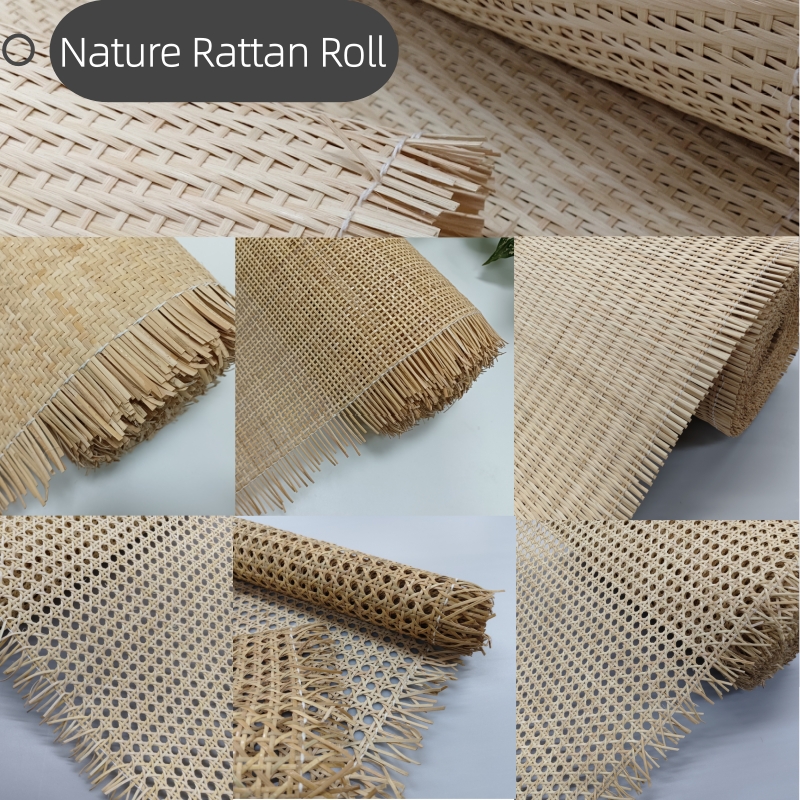
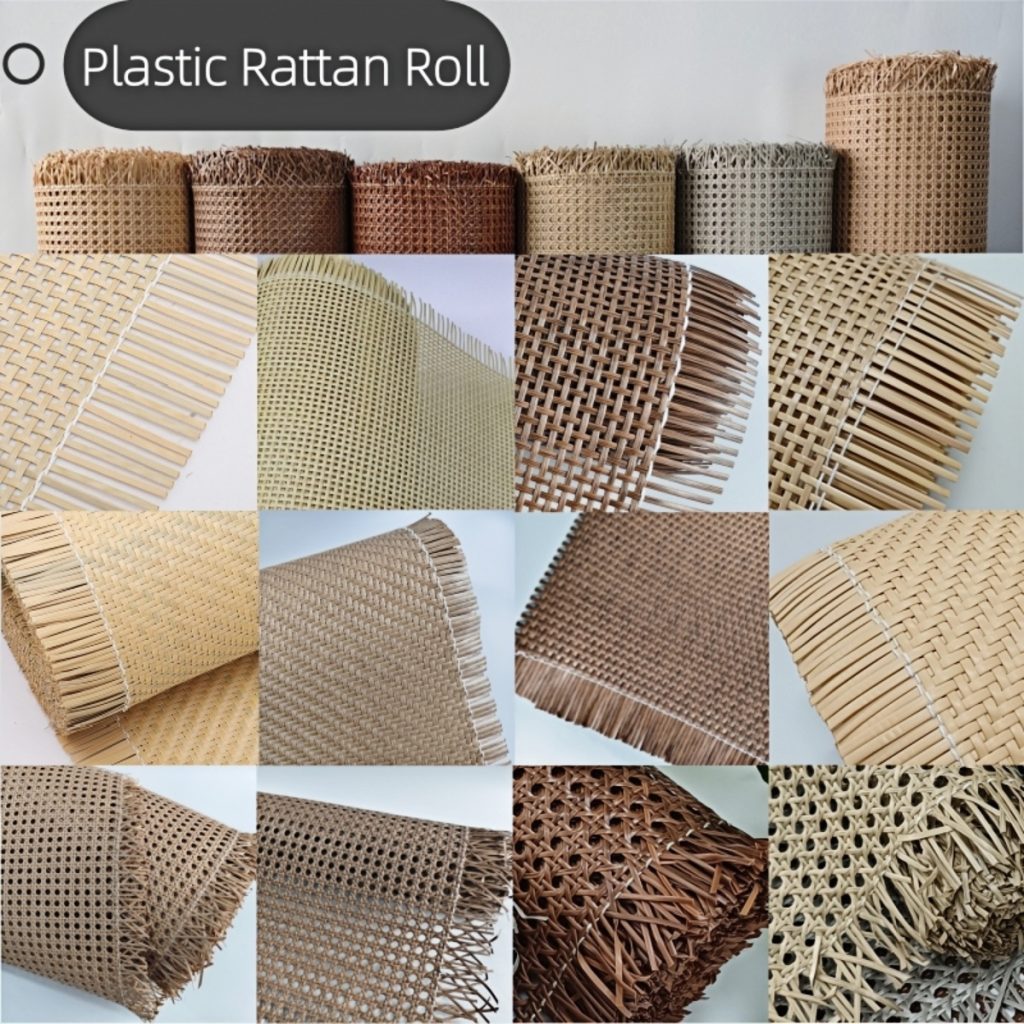
Choosing the right rattan material is an important decision for furniture manufacturers, furniture designers and material buyers. The material affects the appearance of the finished product, its suitability for different environments, maintenance requirements and overall production costs.
Natural rattan and synthetic rattan are two popular options for woven furniture applications. Although both can create attractive woven designs, they differ in material composition, texture, performance and typical uses.
So, which one is better for your furniture project?
The answer depends on your product design, intended application, target market and purchasing requirements. This guide explains the key differences to help you make a more informed decision.
1. What Is Natural Rattan?
Natural rattan is a plant-based material obtained from climbing palms. It has been used in furniture making and traditional weaving for generations.
Natural rattan materials can be processed into different forms for weaving, furniture components and decorative applications. Their appearance depends on the material, processing method and final weaving pattern.
Natural rattan is often selected by furniture manufacturers who want an authentic natural appearance and distinctive woven texture.
Key Characteristics of Natural Rattan
Natural appearance and texture
Natural rattan has organic variations in color, grain and texture. These characteristics can add warmth and visual interest to furniture designs.
Suitable for furniture and decorative applications
Depending on the material form and weaving structure, natural rattan can be used in chairs, furniture panels, cabinet doors, decorative screens and other woven products.
Distinctive woven patterns
Different weaving patterns can create different visual effects, allowing furniture manufacturers to coordinate materials with their designs.
Material selection matters
Natural materials may show variations between batches. Buyers should confirm the required appearance, dimensions and material specifications before placing bulk orders.
Natural rattan is particularly worth considering when the design emphasizes natural materials, traditional craftsmanship or a warm, organic aesthetic.
2. What Is Synthetic Rattan?
Synthetic rattan is a manufactured material designed to reproduce the appearance of traditional rattan weaving. PE (polyethylene) is one material used to produce synthetic rattan for furniture applications.
Depending on the product design, synthetic rattan may be supplied in different colors, widths, profiles, surface textures and weaving patterns.
PE rattan is commonly used in outdoor furniture, patio chairs, garden sofas and other woven furniture products.
Key Characteristics of Synthetic Rattan
Consistent design options
Manufactured materials can offer more controlled color and dimensional options, helping furniture manufacturers coordinate materials across a product collection.
Multiple colors and surface textures
Buyers can explore different finishes and patterns to match modern, classic or natural-inspired furniture designs.
Suitable for many outdoor furniture applications
PE rattan is widely used for outdoor woven furniture. However, actual weather resistance depends on the material formulation, UV stabilization, product construction and conditions of use.
Customization possibilities
Depending on the supplier’s capabilities, buyers may be able to request specific colors, dimensions, profiles and surface textures.
Synthetic rattan can be a practical choice for furniture manufacturers who need consistent design options and materials suited to their intended production environment.
3. Natural Rattan vs Synthetic Rattan: Key Differences
Understanding the main differences can help you select a suitable material for your furniture project.
| Comparison | Natural Rattan | Synthetic PE Rattan |
|---|---|---|
| Material source | Plant-based natural material | Manufactured polyethylene material |
| Appearance | Organic texture and natural variation | Controlled colors and manufactured textures |
| Design style | Natural, traditional and handcrafted aesthetics | Natural-inspired, contemporary and versatile designs |
| Color consistency | Natural variation may occur | Color consistency can be controlled according to product specifications |
| Outdoor suitability | Depends on material form, treatment and exposure conditions | Often selected for outdoor furniture, depending on grade and construction |
| Maintenance | Depends on material and environmental conditions | Depends on formulation, finish and use conditions |
| Customization | Depends on available material and processing options | May offer controlled color, profile and dimension options |
| Common applications | Indoor furniture, decorative panels and woven products | Outdoor chairs, patio sofas and synthetic woven furniture |
Neither material is automatically better in every situation. The most suitable option depends on the design requirements, expected environment, material specifications and purchasing budget.
4. Which Material Is Better for Different Furniture Applications?
Natural Rattan for Furniture with an Organic Appearance
Natural rattan is worth considering when the finished furniture needs a genuine natural material and distinctive woven texture.
Typical applications may include:
- Chair backs and woven furniture details
- Cabinet doors and decorative furniture panels
- Indoor furniture and accent pieces
- Traditional or natural-inspired furniture collections
- Decorative screens and interior design elements
For these applications, the appearance and consistency of the selected material should match the furniture design.
If your project requires a specific weaving pattern or natural finish, request samples before confirming the final material specification.
Explore our Natural Rattan Roll products to learn more about our natural rattan material options.
Synthetic PE Rattan for Outdoor Furniture
PE rattan is commonly considered for outdoor furniture collections that require a manufactured woven material with controlled design options.
Typical applications may include:
- Outdoor chairs and patio seating
- Garden sofas and leisure furniture
- Woven furniture panels
- Commercial outdoor furniture
- Furniture collections requiring coordinated colors and patterns
When selecting PE rattan for outdoor use, buyers should evaluate UV resistance, expected exposure, temperature conditions, cleaning requirements and the intended service environment.
Do not assume that all synthetic rattan products have the same outdoor performance. Ask the supplier to confirm the specifications of the material being offered.
Explore our PE Rattan Roll products for furniture weaving applications.
5. What Should Furniture Manufacturers Check Before Buying?
Whether you choose natural rattan or synthetic PE rattan, confirming the specifications before ordering can help reduce material mismatches and production problems.
1. Material Type
Confirm whether the project requires natural rattan, PE synthetic rattan, plastic rattan strips or another weaving material.
Different material types are not always interchangeable. The selected material should be compatible with the furniture design and production process.
2. Width, Thickness and Profile
Confirm the required dimensions and profile according to the furniture structure and weaving method.
For synthetic rattan, these specifications can affect the finished appearance and compatibility with the furniture frame.
For natural rattan, confirm the dimensions and form of the material being supplied.
3. Color and Weaving Pattern
Color and texture can influence the overall appearance of the finished furniture.
If you are matching an existing collection, provide reference photos, physical samples or color references whenever possible.
4. Application Environment
Explain whether the furniture will be used indoors, outdoors or in a commercial environment.
This information helps the supplier recommend appropriate material options and clarify relevant performance requirements.
5. Sample Confirmation
Request a sample when the material appearance, dimensions or weaving pattern is important to the finished product.
Review the sample under suitable lighting and, where possible, test it using your normal production process.
6. Order Quantity and Supply Requirements
Before placing a bulk order, confirm the required quantity, packaging, lead time, shipping arrangements and any customization requirements.
Clear specifications help both the buyer and supplier evaluate whether the material is suitable for the planned production schedule.
6. Can Rattan Materials Be Customized?
Customization can be important when furniture manufacturers develop a new product collection or need to match an existing design.
Depending on the material and supplier’s capabilities, customization may include:
- Color selection
- Width and thickness
- Surface texture or weaving pattern
- Material profile
- Sample matching
- Packaging requirements
Natural rattan and synthetic PE rattan may have different customization possibilities. Available options should be confirmed for the specific product rather than assumed to be the same across all materials.
A practical starting point is to share your furniture type, reference images, required material dimensions and estimated quantity.
This gives the supplier the information needed to assess suitable options and discuss samples or quotations.
7. How to Choose the Right Rattan Material for Your Project
Before making a final decision, consider these questions:
What appearance do you want?
If authentic natural texture is central to your design, natural rattan may be worth evaluating. If you need controlled colors and manufactured profiles, synthetic PE rattan may be more suitable.
Where will the furniture be used?
Consider the expected exposure to sunlight, moisture, temperature changes and cleaning. Confirm the material’s suitability for the actual environment.
What specifications does your production process require?
Check dimensions, profile, weaving pattern and compatibility with the furniture structure.
Do you need a consistent material for repeated production?
Discuss batch consistency, available specifications and quality-control requirements with your supplier.
What is your estimated order quantity?
Share your expected volume and delivery requirements so that the supplier can assess the available supply options.
There is no universal answer to which material is best. The right choice is the one that meets your furniture design, production requirements and intended use.
Frequently Asked Questions
Is natural rattan better than synthetic rattan?
Neither is universally better. Natural rattan offers an authentic plant-based appearance, while synthetic PE rattan provides manufactured design options and is commonly used in outdoor woven furniture. The best choice depends on the application and material specifications.
Is PE rattan suitable for outdoor furniture?
PE rattan is widely used for outdoor furniture, but performance varies by product. Ask about UV stabilization, weather resistance and the intended conditions of use before purchasing.
Can natural rattan rolls be used for cabinet doors?
Certain natural rattan weaving materials can be used for cabinet doors and furniture panels. Suitability depends on the material form, weaving pattern, panel structure and installation method.
Can I request a specific rattan color or pattern?
Customization options depend on the product and supplier. Share your reference photo, preferred color, dimensions and application so that suitable options can be evaluated.
What information should I provide when requesting a quotation?
Include the material type, intended application, required dimensions, color or pattern, estimated quantity and destination country. Reference photos or samples can also help clarify your requirements.
Looking for the Right Rattan Material for Your Furniture Project?
Suntree supplies natural rattan rolls, PE rattan rolls and other rattan weaving materials for furniture-related applications.
Whether you are developing a new furniture collection, sourcing materials for repeat production or comparing different weaving options, our team can help you discuss the relevant specifications.
To help us understand your requirements, please share:
- Your furniture type and application
- Preferred material and weaving pattern
- Required width, thickness or profile
- Preferred color or reference sample
- Estimated order quantity
Contact Suntree to discuss your material requirements and explore suitable options for your furniture production.
Explore Our Products | Contact Suntree
WhatsApp: +86 183 4459 4135